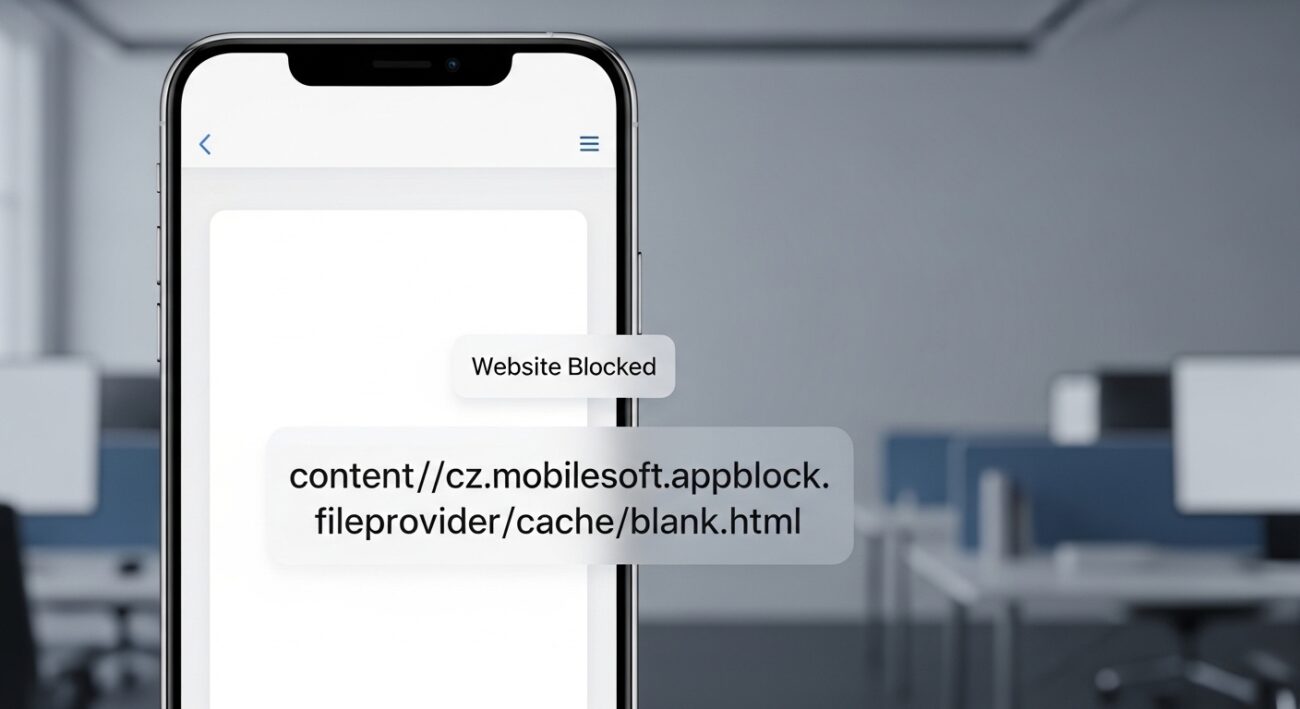
In today’s mobile-first world, users rely on applications to manage their time, productivity, and online interactions. Among these, parental control and productivity apps like AppBlock have gained popularity for their ability to restrict access to distracting websites and apps. One term that often puzzles Android users is content://cz.mobilesoft.appblock.fileprovider/cache/blank.html. Many see it appear in notifications, browsers, or app reports and wonder if it indicates a problem, a virus, or a security issue.
The reality is that this URI is a standard part of how AppBlock functions. It represents a local placeholder file that the app uses to block websites and manage user access. This file path is stored locally on the device and signifies a successfully enforced restriction rather than a technical error. Understanding the purpose, structure, and implications of this placeholder is essential for anyone using AppBlock or similar productivity apps on Android devices.
This complete guide will explore content://cz.mobilesoft.appblock.fileprovider/cache/blank.html in depth. We will discuss how AppBlock operates, the meaning of placeholder files, troubleshooting tips, and ways to safely manage app restrictions. Alongside, we will examine related Android file structures, privacy considerations, and user strategies to ensure smooth device operation without encountering unnecessary confusion.
What content://cz.mobilesoft.appblock.fileprovider/cache/blank.html Represents
The URI content://cz.mobilesoft.appblock.fileprovider/cache/blank.html is a standard Android path used by the AppBlock application to manage blocked content. This path is not a link to an online website but rather a local file stored within the device’s internal storage. Its primary function is to serve as a placeholder whenever AppBlock restricts access to a website or app.
When a user attempts to access a blocked site, AppBlock redirects the request to this local file. Instead of loading the original page, the app displays the blank.html placeholder. This mechanism allows the app to enforce restrictions consistently without relying on an active internet connection. Users can see the URL in browser histories or logs, which often raises questions about its legitimacy.
Understanding this functionality is crucial: the placeholder file is entirely safe, does not store sensitive data about users, and does not introduce malware or security threats. It simply acts as a controlled response from the AppBlock system when content access is restricted.
How AppBlock Uses Placeholder Files
AppBlock operates as a productivity and parental control tool that limits access to apps, websites, or content categories. Placeholder files like blank.html are central to this operation. When a user attempts to visit a blocked site, the app intercepts the request and displays the local HTML file instead of the original website.
This method has several advantages:
- Offline functionality: The block is effective even without an internet connection.
- Consistency: Users always see the same placeholder page for blocked content.
- Security: There’s no risk of malicious code execution because the file is local and controlled by the app.
The following table summarizes how placeholder files are used in AppBlock:
| Feature | Purpose | Benefit |
|---|---|---|
| Local placeholder file | Redirect blocked requests | Ensures blocked content cannot load |
| Cache storage | Temporary storage of blank.html | Faster access and consistent behavior |
| AppBlock enforcement | Intercepts URL requests | Reliable restriction of websites and apps |
Understanding Android URI Structure
The URI content://cz.mobilesoft.appblock.fileprovider/cache/blank.html follows a standard Android content provider format. In Android, content URIs are used to provide controlled access to local or app-specific files. Here’s a breakdown of this specific URI:
- content:// – Indicates it’s a content provider path rather than a web URL.
- cz.mobilesoft.appblock.fileprovider – The specific provider implemented by AppBlock.
- cache/blank.html – The local file path inside the app’s cache folder.
By using content URIs, Android ensures apps cannot access each other’s data arbitrarily. This structure also allows AppBlock to redirect blocked requests without compromising security or requiring root access.
Why Users See content://cz.mobilesoft.appblock.fileprovider/cache/blank.html
Many users notice this URI when browsing blocked sites or reviewing app logs. Seeing it can initially cause confusion, as it resembles a web address. The key reasons it appears include:
- Blocked content: The user attempted to visit a site restricted by AppBlock.
- Browser redirection: The browser records the local URI when a request is intercepted.
- Cache references: Android may display the cached file path in history or logs.
It’s important for users to recognize that this file path is not harmful. It merely reflects AppBlock’s standard procedure for handling blocked content.
Differences Between Placeholder Files and Malicious Files
Users often worry that local URIs like blank.html indicate a security risk. In reality, there are clear differences:
| Feature | Placeholder File | Malicious File |
|---|---|---|
| Origin | Installed by trusted app | Unknown or unverified source |
| Function | Redirect blocked content | Executes unauthorized code |
| Location | App-specific cache folder | Various, sometimes hidden directories |
| Risk | Minimal | Potentially high |
Placeholder files are intentionally created by apps for management purposes. They do not contain harmful scripts, advertisements, or trackers.
Troubleshooting Issues with AppBlock Placeholder Files
Although placeholder files are safe, users may experience issues such as:
- The blank.html page not appearing correctly
- Apps failing to block certain websites
- Cache corruption or file access errors
Common troubleshooting steps include:
- Clearing AppBlock cache to regenerate placeholder files.
- Restarting the device to refresh app permissions.
- Ensuring AppBlock has the required accessibility and overlay permissions.
Following these steps typically resolves any minor display or functionality problems.
Managing AppBlock Cache for Better Performance
Cache management is an essential aspect of using AppBlock effectively. The blank.html file resides in the cache folder, which temporarily stores resources needed for smooth operation. Users can improve performance by:
- Periodically clearing the app cache from Android settings
- Avoiding excessive cache accumulation
- Updating AppBlock to the latest version for optimized file handling
Proper cache management ensures that placeholder files work as intended and that the device operates efficiently.
Privacy Implications of Placeholder Files
Since content://cz.mobilesoft.appblock.fileprovider/cache/blank.html is stored locally, privacy risks are minimal. The app does not send browsing history or user data to external servers when serving this file. However, users should:
- Ensure AppBlock has updated privacy policies
- Avoid granting unnecessary permissions to unrelated apps
- Use secure devices to prevent unauthorized access to app cache
These steps maintain a safe environment while benefiting from content restriction features.
How AppBlock Enhances Productivity
The primary goal of AppBlock and its placeholder system is to improve productivity. By restricting access to distracting websites and redirecting users to blank.html, the app encourages focused time management. Key benefits include:
- Reduced time wasted on social media or gaming sites
- Improved study or work session consistency
- Clear boundaries for digital habits
Users often report higher concentration levels and better workflow when leveraging AppBlock features.
Customizing Blocked Content Pages
While blank.html is the default placeholder, advanced users may want to customize their blocked content pages. Some AppBlock versions allow:
- Changing the displayed message on blocked pages
- Adding motivational reminders or productivity tips
- Personalizing the visual design of the placeholder page
These customizations enhance the user experience and reinforce productive habits.
Integration with Other Productivity Tools
AppBlock can be part of a broader ecosystem of productivity apps. Integrating it with calendars, task managers, and focus timers allows for:
- Synchronized block schedules
- Automated work sessions
- Enhanced goal tracking
Placeholder files like blank.html ensure consistent enforcement across integrated platforms without conflicts.
Safety Considerations for Android Users
Android users should remember that content URIs are safe if generated by trusted apps like AppBlock. Best practices include:
- Verifying app legitimacy before installation
- Monitoring app permissions for security
- Keeping Android OS and apps updated
These measures prevent misuse of content URIs and maintain system integrity.
Understanding AppBlock Notifications
When AppBlock intercepts a blocked site, it may display notifications referencing blank.html. These notifications simply inform the user that the block is active. Key points:
- They do not indicate an error or crash
- Notifications can be customized or muted
- They provide real-time feedback about blocked access
Understanding this prevents unnecessary concern about app performance.
Differences Between content:// URIs and Web URLs
Content URIs like content://cz.mobilesoft.appblock.fileprovider/cache/blank.html differ from traditional web URLs:
- Local storage: Content URIs point to files on the device
- Controlled access: Only authorized apps can use them
- Offline functionality: They work without internet connectivity
Recognizing this distinction helps users avoid confusion and interpret system logs accurately.
Best Practices for Maintaining AppBlock Efficiency
To ensure smooth operation of placeholder files and blocks:
- Regularly update AppBlock
- Clear cache periodically
- Review blocked websites list for relevancy
- Avoid installing conflicting apps that interfere with overlays
Adhering to these practices ensures that blank.html functions consistently.
Conclusion
The URI content://cz.mobilesoft.appblock.fileprovider/cache/blank.html is a harmless placeholder file used by AppBlock to enforce website and app restrictions. It is a standard Android content path designed for efficiency, offline functionality, and safe content management. Understanding its purpose eliminates confusion, reassures users about security, and highlights the value of productivity apps in managing digital habits.
By learning how placeholder files work, managing cache, and following best practices, users can maximize the benefits of AppBlock while maintaining a secure and organized device environment.
FAQs
What is content://cz.mobilesoft.appblock.fileprovider/cache/blank.html?
It is a local placeholder file used by AppBlock to block websites or apps on Android devices.
Is it harmful?
No. It is a safe file created by the app to manage content restrictions.
Why does it appear in my browser history?
When a blocked site is accessed, the request is redirected to the local placeholder, which may be recorded by the browser.
Can I delete it?
Yes, but AppBlock will regenerate it automatically as part of its normal operation.
How do I fix display issues with blank.html?
Clear the app cache, restart the device, and ensure all AppBlock permissions are granted.
Does it send my browsing data online?
No, the placeholder file is local and does not transmit user data externally.
Can I customize blank.html?
Some AppBlock versions allow customization of blocked content messages and visuals.
How does AppBlock improve productivity?
By blocking distracting websites, AppBlock helps users focus on work, study, or other tasks.
Is content:// the same as a website?
No. content:// URIs point to local files on Android devices, not online URLs.
Do other apps use similar placeholder files?
Yes, many parental control and productivity apps use local files to manage restrictions.
